Asia is the largest and most populous continent on Earth—home to roughly 60% of humanity across more than 4.7 billion people, dozens of countries and thousands of cultures. In a single journey, travelers can move from super-modern cities such as Tokyo and Singapore, through ancient temples in Kyoto and Angkor, to tropical islands like Bali and Phuket. That mix of deep history, dramatic landscapes and rich food makes Asia one of the most diverse travel regions in the world.
This page is the parent hub for all destination guides, regional articles and travel tips across Asia: from how the continent is divided, to the best time to visit, food, transport and the local etiquette worth knowing before you go.
Asia at a Glance
| Category | Details |
|---|---|
| Main regions | Southeast Asia, East Asia, South Asia, Central Asia, West Asia |
| Number of countries | About 48 sovereign states, plus several dependent territories |
| Population | Roughly 4.7 billion (about 60% of the world’s people) |
| Area | About 44.6 million km²—around 30% of the world’s land |
| Languages | More than 2,000 languages; English is the broadest travel lingua franca |
| Currencies | Many: rupiah, baht, yen, won, ringgit, Singapore dollar, rupee and more |
| Time zones | From UTC+2 (Turkey) to UTC+12 (eastern Russia) |
| Hub airports | Singapore (SIN), Bangkok (BKK), Kuala Lumpur (KUL), Hong Kong (HKG), Dubai, Doha, Istanbul |
| Best time | Region-dependent; generally November–April for Southeast and South Asia, March–May and September–November for East Asia |
Why Travel to Asia?
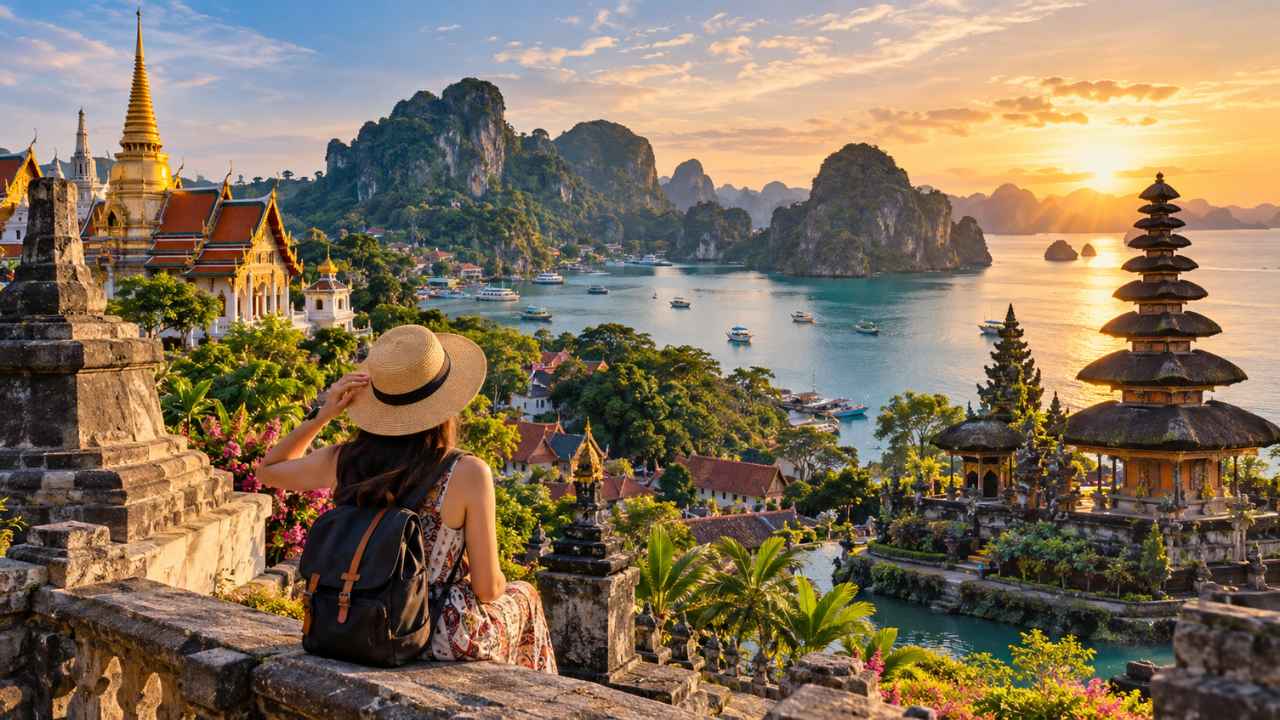
Asia packs almost every kind of trip into one continent. Travelers after a metropolis can choose Tokyo, Seoul or Singapore. Those who want tropical beaches and islands have Bali, Phuket, Palawan and the Maldives. Anyone drawn to history and architecture can trace Angkor Wat, Borobudur and the old Silk Road cities.
Beyond variety, Asia is famously good value. Transport, accommodation and food in many Asian countries cost far less than in Europe or the Americas, which suits backpackers and luxury travellers alike. Inexpensive but excellent street food is an attraction in itself.
Asia’s Five Main Regions
Each region has its own geography, culture and climate, so it is best to choose according to your interests and how much time you have.
Southeast Asia
The most popular region for travellers, including Indonesia, Thailand, Vietnam, Malaysia, Singapore, the Philippines, Cambodia, Laos, Myanmar and Timor-Leste. It combines tropical beaches with diverse cultures and superb food. The climate stays warm year-round with wet and dry seasons, and travel costs are relatively low.
East Asia
Ancient traditions alongside some of the most advanced cities in the world. Japan offers Tokyo and Kyoto, South Korea has Seoul and Busan, and China brings Beijing, Shanghai and Xi’an. The region is ideal for culture, food, shopping and cherry-blossom season in spring.
South Asia
Colourful, spiritual and full of contrasts. India brings Rajasthan, Delhi and Goa; Sri Lanka offers beaches and tea country; Nepal is the gateway to the Himalayas; and the Maldives is synonymous with overwater villas. Culture, religion and landscapes vary enormously across the region.
Central Asia
For travellers who want to go beyond the usual routes. Kazakhstan, Uzbekistan, Kyrgyzstan, Tajikistan and Turkmenistan preserve the legacy of the Silk Road: ancient cities such as Samarkand and Bukhara, Islamic architecture, mountains and deserts.
West Asia
The crossroads between Asia, Europe and Africa. Turkey blends cosmopolitan Istanbul with Cappadocia and Pamukkale, while the Gulf states offer modern cities and desert. The region is also a key flight hub to other continents.
Best Beaches and Islands in Asia
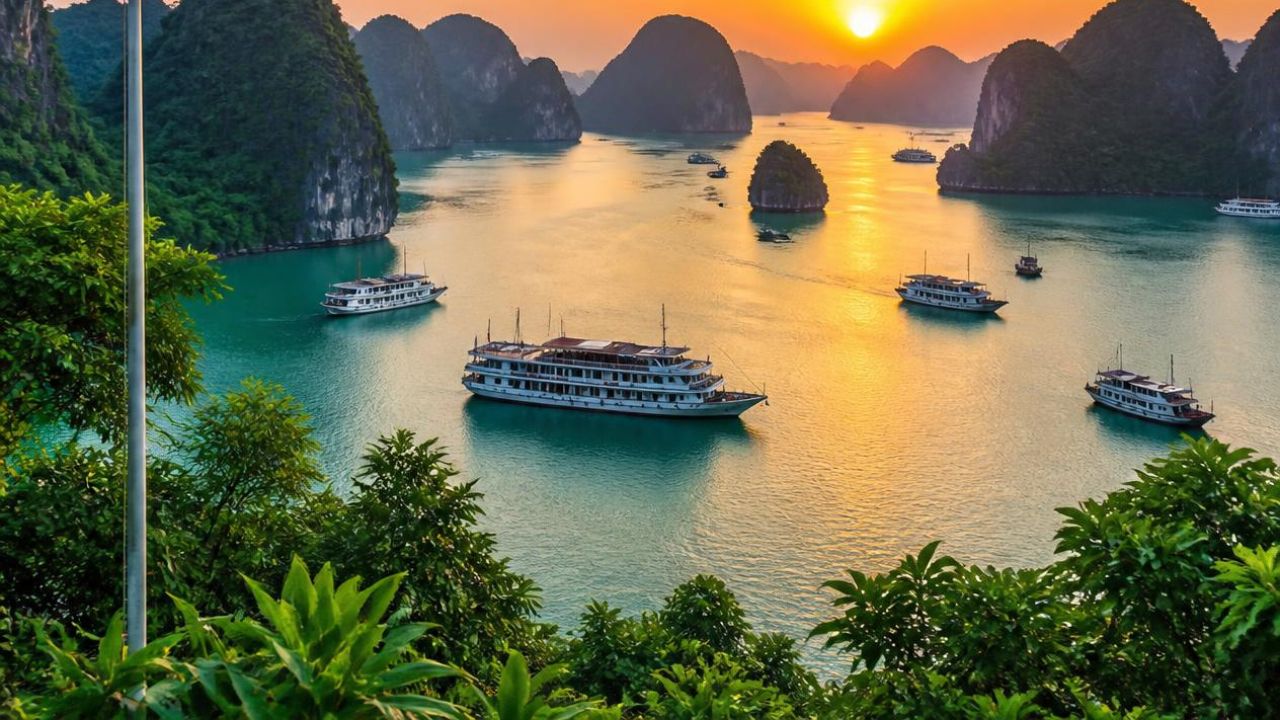
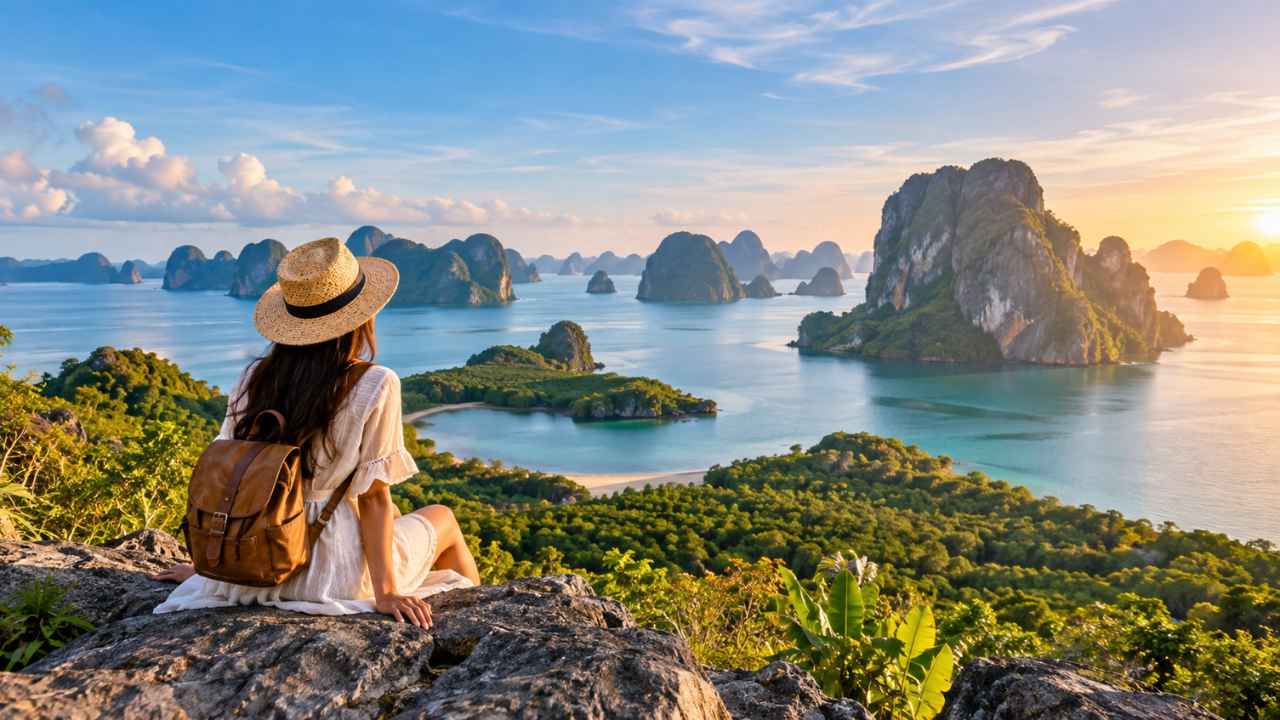
Asia has some of the most famous beaches in the world. Bali and Lombok in Indonesia, Phuket and Krabi in Thailand, Palawan and Boracay in the Philippines, Langkawi in Malaysia, and the Maldives with its clear lagoons are among the names that appear most often on bucket lists.
Activities range from swimming, diving, snorkelling, surfing and sailing to simply relaxing by the sea. Beyond the famous spots, there are still many quiet islands and coastal villages with small-scale tourism that offer a calmer, more authentic experience.
Asian Cities Worth Exploring
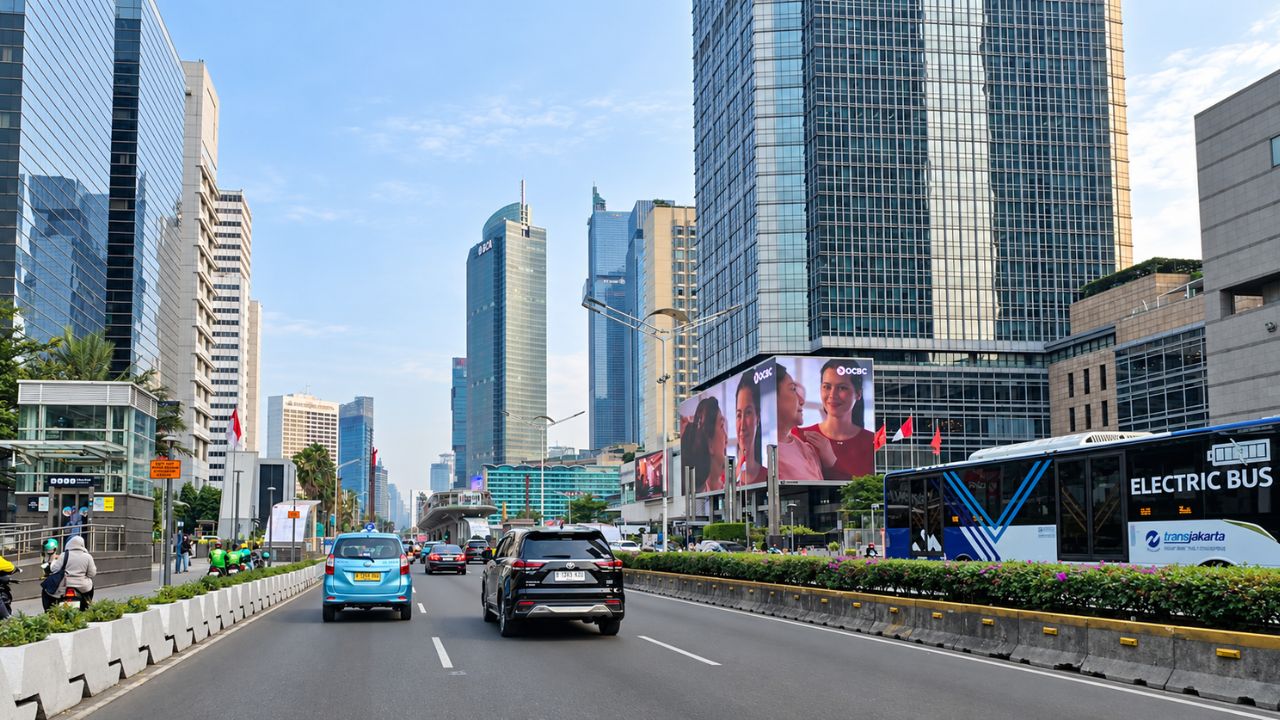
Asia’s major cities are destinations in their own right. Tokyo, Seoul, Singapore, Bangkok, Kuala Lumpur, Hong Kong, Jakarta, Taipei, Hanoi and Ho Chi Minh City each offer a distinctive blend of food, architecture, shopping, entertainment, history and local culture.
Exploring an Asian city can mean visiting famous landmarks one day, then discovering neighbourhood cafés, traditional markets, independent shops and street-food stalls the next. Efficient public transport makes these cities easy to navigate.
Asian Food You Have to Try
Food is one of the main reasons people travel to Asia. Japanese sushi and ramen, Korean barbecue, Thai curries, Vietnamese pho, Indonesian rendang, Malaysian laksa, Indian curries and countless Chinese regional dishes offer an almost endless landscape of flavour.
Street food and traditional markets are especially worth seeking out to see how local people eat and to taste flavours that rarely appear on international restaurant menus. Watch the hygiene, pick busy stalls, and adjust the spice level to your taste.
Nature and Adventure in Asia
Asia’s geography makes it an exceptional destination for outdoor travel. Travellers can trek in the Himalayas, climb Indonesian volcanoes, dive tropical coral reefs, explore national parks, hike through forests, find waterfalls, or cross deserts and mountain ranges.
Wildlife experiences are available across the continent too. As a traveller, prioritise responsible operators and activities that protect animals and their habitats, and avoid attractions that exploit wildlife.
Culture and History
Thousands of years of history have left Asia with an extraordinary collection of temples, palaces, archaeological sites and historic districts. Angkor in Cambodia, Borobudur and Prambanan in Indonesia, Kyoto’s historic temples, India’s monumental architecture, and the ancient Silk Road cities of Central Asia are just a few of the civilisations that shaped the region.
Respecting local traditions, religious customs, dress codes and community rules is an important part of responsible travel.
When Is the Best Time to Visit Asia?
Because Asia is so large, the best time differs between regions—and even between areas within one country. In general:
- Southeast Asia — the dry season around November–April is most comfortable for beaches and islands.
- East Asia — spring (March–May) for cherry blossoms and autumn (September–November) for cool weather and colourful foliage.
- South Asia — October–March is cooler and drier; avoid the monsoon peak if you want to dodge heavy rain.
- Central & West Asia — spring and autumn are ideal, with temperatures far more comfortable than the summer extremes.
Always check the forecast, the festival calendar and local holiday seasons before booking tickets.
Transport and Planning a Trip to Asia
Asia is well connected by air. Hub airports such as Singapore, Bangkok, Kuala Lumpur, Hong Kong, Dubai, Doha and Istanbul make it easy to connect between regions. For shorter hops, high-speed trains and buses are often cheap and efficient.
When planning, it helps to:
- Pick one or two regions per trip so you don’t spend all your time in transit.
- Match the seasons, not just the holiday calendar.
- Sort out visas and documents well in advance, as rules differ by country.
- Leave buffer time between destinations and avoid overpacking the schedule.
Tips and Etiquette for Travelling in Asia
- Respect places of worship. Dress modestly, remove your shoes when asked, and follow local rules.
- Mind local customs, such as using the right hand for eating in many cultures and how things are given and received.
- Keep the environment clean. Cut single-use plastic and support eco-friendly accommodation.
- Carry some cash, as some places still don’t accept digital payments.
- Buy travel insurance and save the emergency numbers.
- Be friendly and patient. A little effort with the local language goes a long way.
Start Here
This hub will keep growing with destination guides across Asia. Until the next article is published, start with these topics:
- Regional guides in Southeast Asia as the gateway to the most popular region.
- Country hubs: Indonesia and Vietnam are available in English, with more languages served from each country’s own hub.
- Practical travel tips in Travel Essentials—from plug types to cross-border payments.
Asia is too large to explore all at once. Choose one region, match it to its best season, and build your trip step by step—rather than waiting to fit everything into a single perfect holiday.