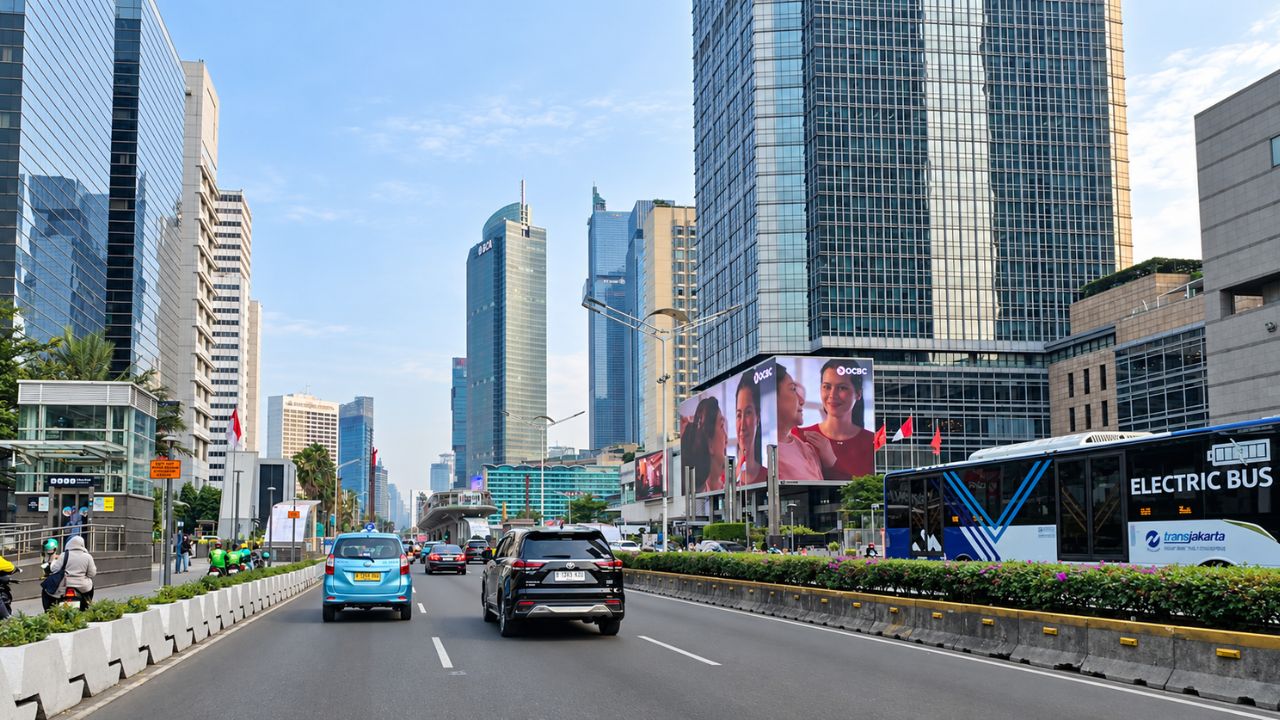
Welcome to Indonesia, the world’s largest archipelagic country with more than 17,000 islands, stretching across the equator. From the bustling metropolis of Jakarta, Bali’s mystical temples and white-sand beaches, to the world-class underwater wonders of Raja Ampat, Indonesia offers a travel experience like no other.
Quick Facts and Important Information
| Category | Details |
|---|---|
| Capital | DKI Jakarta (Financial and Cultural Gateway) |
| Official language | Indonesian (Bahasa Indonesia) (hundreds of regional languages are still active) |
| Currency | Rupiah (IDR / Rp) |
| Time zones | WIB (UTC+7), WITA (UTC+8), WIT (UTC+9) |
| Climate | Tropical (Dry season: May – September; Rainy season: October – April) |
| Power plugs | Type C and F (230 V, 50 Hz) |
| Main airports | Soekarno-Hatta International Airport (CGK), I Gusti Ngurah Rai (DPS) |
Key Destinations by Region
Explore in-depth sub-guides by the main island groups:
1. Java and surroundings
The heart of history, government and integrated transport infrastructure.
- Jakarta: The centre of Nusantara cuisine, historic museums in the Old Town and the brilliance of modern life.
- Yogyakarta: The centre of palace arts, the mighty Borobudur and Prambanan temples.
- Bandung and West Java: Cool highlands, tea plantations and themed cafés.
- Mount Bromo and the Ijen Crater: World-class volcanic sunrise tours.
2. Bali and the Nusa Tenggara islands
The centre of relaxation, spirituality, Hindu culture and exotic sea views.
- Bali: The beach paradise of Seminyak and Canggu, yoga retreats in Ubud and the cliffs of Uluwatu.
- Lombok and Gili: Climb Rinjani, Mandalika beach and the silence without motor vehicles on Gili Trawangan.
- Labuan Bajo and Komodo: The natural habitat of the Komodo dragon, Pink Beach and the Manta Point dive site.
3. Sumatra
The richness of wild tropical nature, enormous volcanic lakes and a spicy food paradise.
- Lake Toba and Samosir Island: The world’s largest volcanic caldera with the unique Batak culture.
- Bukittinggi and Padang: The beauty of the Ngarai Sianok valley and the taste of Minangkabau cuisine.
- Gunung Leuser National Park: Watching wild Sumatran orangutans in Bukit Lawang.
4. Kalimantan, Sulawesi, Maluku and Papua
Ecotourism regions, ancient biodiversity and the planet’s best coral reefs.
- Tana Toraja (South Sulawesi): Tongkonan architecture and ancient megalithic burial traditions.
- Bunaken and Wakatobi marine parks: Spectacular coral walls, a paradise for divers.
- Raja Ampat islands (Southwest Papua): The epicentre of the world’s marine biodiversity (Coral Triangle).
The Best Time to Visit
- Dry season (May – September)
The most ideal time for beach activities in Bali and Labuan Bajo, mountain trekking on Java and boat trips between islands (liveaboard). - Rainy season (October – April)
Although it often rains in the afternoon, the rice fields look fresh and green, waterfalls flow powerfully and accommodation rates are more economical (low season).
Transport and Ways to Get Around
- Domestic flights: Domestic airlines connect the main islands.
- Trains (Java): Kereta Api Indonesia (KAI) and the Whoosh high-speed train on the Jakarta–Bandung route.
- Ferries and fast boats: Connect ports between islands such as Bali, Lombok, Gili and Flores.
- Ride-hailing apps: Grab and Gojek are widely available in cities for transport and food delivery.
Tips and Travel Etiquette
- Modest clothing at places of worship: Wear covering clothing or use a sarong when visiting temples or mosques.
- Using the right hand: Always use your right hand when making transactions or handing something over.
- Cash: Prepare small rupiah notes for street vendors or remote island areas.
- Drinking water: Drink sealed bottled water or use a water bottle with a special filter.