


Indonesia
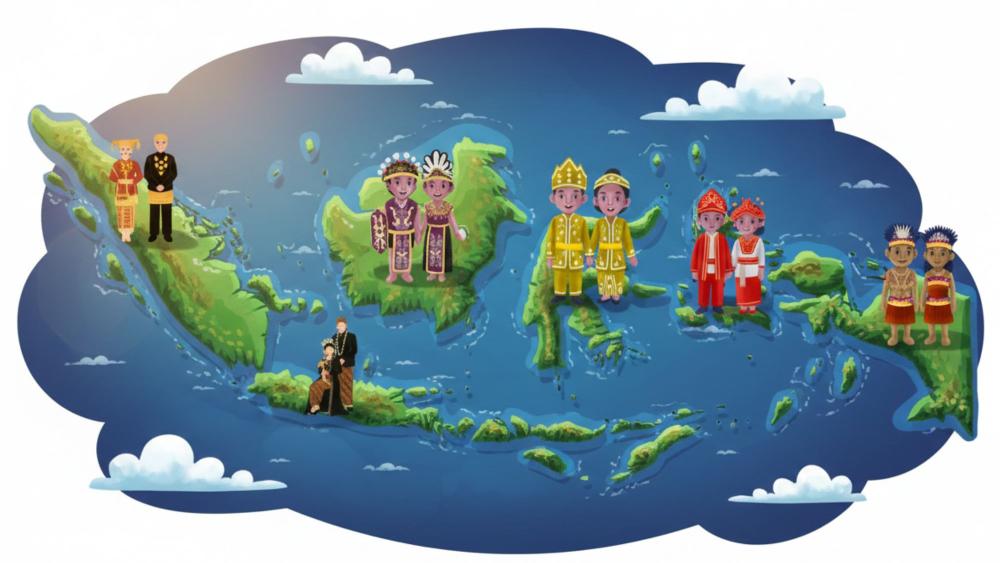
The Archipelago of Wonders
Gateway to Indonesia: A Traveler's Essential Guide
1. Introduction: The Archipelago of Wonders
Indonesia is not merely a country; it is a sprawling, megadiverse archipelago. As the world's largest archipelagic state, it includes over 17,000 islands stretching 5,120 kilometers east to west and 1,760 kilometers north to south. Traveling across Indonesia means experiencing profound contrasts: navigating Jakarta’s high-octane urban sprawl, trekking through Sumatra's emerald jungles, or finding serenity along Bali's mist-shrouded coastlines.
This is a land where modern ambition meets timeless tradition across one of the most biodiverse regions on Earth.
Indonesia At a Glance
- Capital: Jakarta (currently transitioning to Nusantara / IKN)
- Currency: Indonesian Rupiah (IDR)
- Official Language: Bahasa Indonesia
- National Motto: Bhinneka Tunggal Ika (Unity in Diversity)
2. Entry Essentials & Logistics
For a seamless journey to Indonesia, understanding visa requirements, seasonal conditions, and connectivity is essential.
Visa on Arrival (VoA) Deep-Dive
Most international travelers use the Visa on Arrival (VoA) system. For efficiency, I recommend the digital e-VoA, though requirements are strict:
- Passport Validity: Minimum 6 months remaining validity
- Standard VoA: Rp500,000 — valid for 30 days, extendable once
- 60-Day e-VoA: Rp1,500,000 — non-extendable
- Digital Requirements: Passport-style photo (JPG/JPEG/PNG) and a valid Visa, MasterCard, or JCB credit card
Pro Tip: Apply online in advance to reduce wait times at the airport.
The Seasonal Guide: When to Visit Indonesia
Indonesia’s tropical climate means humidity usually ranges between 70% and 90%.
- Dry Season (May–October): Sunny days, stable seas, ideal for trekking, diving, and island hopping.
- Wet Season (November–April): Heavy monsoon rains, lush landscapes, fewer crowds—but potential travel disruptions in remote regions.
For most travelers, the dry season offers optimal conditions, particularly for exploring volcanoes and marine parks.
Connectivity & Tech
Wi-Fi is widely available in major hubs like Jakarta and Bali. Securing a local SIM card (Telkomsel is highly reliable) ensures uninterrupted connectivity.
Specialist Tip: Register your SIM card at official airport kiosks upon arrival. Foreign device registration is much smoother there.
3. Top Destinations for Every Style
From spiritual retreats to volcanic adventures, Indonesia caters to every traveler's profile.
The Culture Seeker
Explore Yogyakarta, home to the magnificent Borobudur—the world's largest Buddhist temple—and the grand Hindu complex of Prambanan.
In Bali, head inland to Ubud, the island's artistic heartbeat, surrounded by the iconic Tegallalang Rice Terraces.
The Beach Lover
Bali—known locally as Pulau Dewata (Island of the Gods)—remains Indonesia's crown jewel.
For a slower pace, escape to the Gili Islands, offering pristine sands and turquoise waters.
Further east, Labuan Bajo serves as the gateway to Komodo National Park, home of the legendary Komodo dragon.
The Adventurer
East Java’s volcanic corridor is essential:
- Witness sunrise over Mount Bromo.
- Hike Ijen to see the rare Blue Fire phenomenon.
In North Sumatra, trek through rainforest ecosystems to encounter the Sumatran orangutan or the endemic Javan lutung.
The Hidden Gem
At the apex of the Coral Triangle lies Raja Ampat, boasting the planet's highest marine biodiversity.
For cultural immersion, visit Tana Toraja, renowned for elaborate funeral rites and striking Tongkonan architecture.
4. Culture, Etiquette & Safety
Understanding Indonesia’s social fabric is key. While it has the world's largest Muslim population, Bali remains a unique Hindu stronghold.
Social Norms Checklist
- The Right Hand Rule: Always use your right hand when eating, shaking hands, or passing items.
- Sacred Dress: When entering a Pura (temple), wear a sarong and waist sash (Kain Wastra).
- Ceremonial Respect: Yield to religious processions such as the vibrant Ogoh-ogoh parades before Nyepi. Avoid flash photography near priests.
Health & Safety
“Bali Belly” (digestive upset) is common among first-time visitors.
- Drink bottled water only.
- Stay hydrated in high humidity.
- Carry comprehensive travel insurance, especially for remote island hopping.
5. Culinary Highlights: A Taste of the Islands
Indonesian cuisine is a fragrant tapestry of regional flavors.
Essential Dishes
- Nasi Goreng & Satay: Iconic fried rice and grilled skewers
- Rendang: A Sumatran masterpiece—beef slow-cooked in coconut milk and spices
- Gado-Gado: Vegetables with rich peanut sauce
- Balinese Specialties: Ayam Betutu, Sate Lilit, and the celebratory Babi Guling
The Warung Experience
To eat like a local, seek out a Warung—family-run eateries offering authentic, home-cooked meals unique to each village.
6. Getting Around: Navigating the Islands
Air Travel
Domestic aviation connects the archipelago efficiently, with most international arrivals landing at Soekarno–Hatta International Airport.
Ground Transport
Use ride-hailing apps like Gojek or Grab. For taxis, Blue Bird Group is widely trusted.
Rail Network
Java’s rail system includes the modern Whoosh, connecting Jakarta to Bandung in just 45 minutes.
7. Conclusion: Embracing Jam Karet
The most valuable travel advice I can offer is to embrace Jam Karet—"Rubber Time." In Indonesia, schedules are fluid, and life moves to a natural rhythm rather than rigid timetables.
Let go of strict expectations. Allow space for spontaneity. Engage with locals.
In doing so, you'll discover that Indonesia is more than a destination—it is an experience of diversity, resilience, and wonder.
Selamat datang di Indonesia! (Welcome to Indonesia!)
Comments
Add new comment