


Cultural Etiquette: Understanding Thailand’s Social Norms
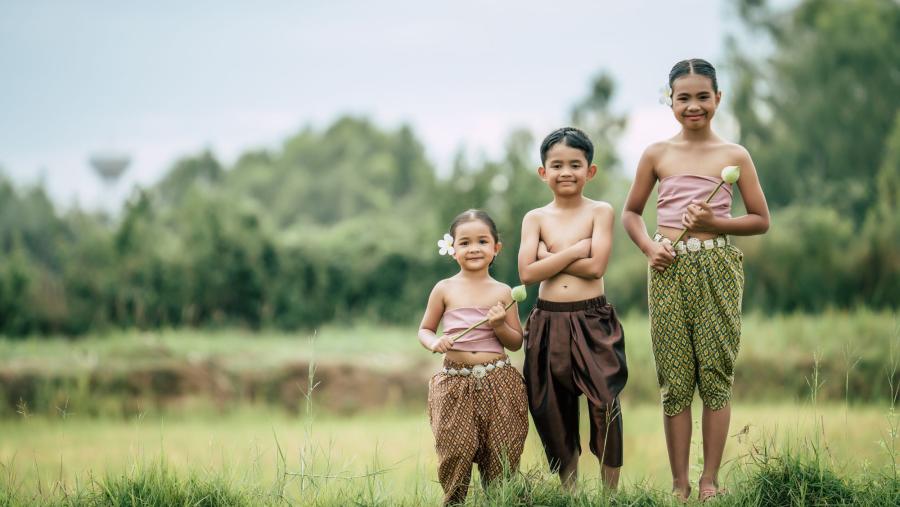
Three smiling children stand in a grassy field wearing traditional clothing
Introduction: The Art of Socializing in “The Land of Smiles”
Thailand isn’t called the “Land of Smiles” for nothing. 😊 Here, etiquette isn’t just some checklist for polite tourists—it’s at the heart of how people connect, show respect, and keep the world moving smoothly.
If you want to enjoy your time here, it’s not enough to memorize a few dos and don’ts. You need to:
- Pay attention,
- Watch how locals act, and
- Be ready to adapt.
People in Thailand put a premium on harmony and respect. Small gestures and manners go a long way, and people notice if you make an effort.
The Rewards of Cultural Awareness
Travelers who really tune in to Thailand’s social rhythms find themselves welcome in ways that go far beyond surface-level smiles. Listening, watching, and trying to fit in with local values can turn small encounters—like ordering food at a market or greeting someone at a temple—into genuine moments of exchange.
Locals appreciate when you respect their customs instead of barreling through with your own ways. Sometimes the most meaningful memories here aren’t from famous sites, but from simple, kind interactions, all guided by a thoughtful approach to etiquette.
Ultimately, embracing these norms opens doors and helps you see Thailand not just as a tourist, but as a respectful guest.
Philosophy of Life of Thai People
The Thai outlook on life is deeply influenced by two key philosophies: Sanuk and Mai Pen Rai. These aren’t just catchy words—they run right to the core of how people think, act, and relate to each other across Thailand. If you want to really connect with people or just make your time in Thailand richer, understanding these ideas is a big deal. 😊
Sanuk: The Pursuit of Joy
Let’s start with Sanuk. In a nutshell, Sanuk is all about finding happiness and enjoyment in everything you do. Whether you’re working, sharing a meal, or just tackling daily chores, there’s almost an unspoken expectation in Thai culture: if you can’t have some fun doing it, what’s the point? Thais believe life shouldn’t be endured—it should be enjoyed, right down to the little moments most people overlook. If you come to Thailand, don’t be surprised if folks turn even the simplest task into a chance to laugh or exchange a friendly grin.
How to Embrace Sanuk
- If you want to blend in, loosen up. Don’t take yourself too seriously.
- Smile, show you’re relaxed, and don’t stress if things don’t go as planned.
- When you’re waiting for your food at a restaurant and it’s taking a while, don’t get annoyed—watch people, soak up the atmosphere, or joke around with your friends.
Locals will notice your sunny attitude and you’ll probably find the whole experience more memorable. ✨
Mai Pen Rai: The Art of Letting Go
Then there’s Mai Pen Rai, a phrase you’ll hear a dozen times a day if you stay in Thailand long enough. Literally, it means “never mind” or “it’s okay.” But it’s more than that—it’s a way of navigating problems with calmness and a shrug, especially when things get messy or unpredictable.
If something inconvenient happens, most Thais just let it roll off their backs. They don’t see the point in getting angry over small mistakes or delays. Instead, they value keeping their cool and avoiding conflict, because getting visibly upset or frustrated is seen as disruptive and, honestly, a bit rude.
Mai Pen Rai in Practice
So, imagine your order at a café arrives wrong. The instinct here is to point it out gently or just roll with it, rather than complaining or raising your voice. People believe that keeping the peace is worth more than making a fuss. That’s Mai Pen Rai in action, and it’s wired into daily interactions all across the country. 🙏
How Sanuk and Mai Pen Rai Work Together
There’s a reason these two philosophies go hand in hand.
- Sanuk keeps things light and joyful.
- Mai Pen Rai makes it easier to avoid stress or arguments that would ruin the fun.
This isn’t just about what you say—it’s in how you look and how you move. Smiles go a long way. Even if someone’s having a rough day or things aren’t going perfectly, you’ll see them put on a friendly face to keep the vibe positive and comfortable for everyone else.
Why This Matters for You
If you’re new to Thailand or just passing through, showing you understand these values will make locals warm up to you fast. You’ll probably discover that your own experiences become more relaxing and meaningful, too.
- Relaxing
- Enjoying the moment
- Not letting little mishaps get to you
It’s not just politeness; it’s a real secret to why life in Thailand feels so welcoming and, in its own way, so much lighter. 🌟
Body Norms: Why the Head and Feet Matter
Let’s talk about why people in Thailand care so much about how you treat your head and feet. It’s not just about politeness—it goes deeper, woven right into their culture and everyday life. 😊
Honor of the Head
In Thailand, the head isn’t just another body part. Folks see it as the most sacred, the highest and most noble spot, almost like it’s the seat of your soul. That’s why touching someone’s head—even a kid’s—is a big no. You might think you’re just being friendly by ruffling a child’s hair, but outside your close family, it comes off as disrespectful. If you need to show affection, stick with a warm smile or some kind words.
Humility of the Feet
Now, the feet? They’re at the opposite end of the scale. Symbolically, your feet are considered dirty and low—literally and figuratively. So, using your feet to point at anything or anyone is kind of shocking. Imagine pointing your toes at a Buddha statue or another person: people see it as rude and carelessly disrespectful. That’s why you’ll always see people slipping off their shoes before stepping inside someone’s home or a temple. It’s almost instinctive.
When you sit on the floor, think about where your feet are pointing. Directing the soles at someone or a sacred object can really offend. You’ll notice locals folding their legs to the side or sitting cross-legged, with their feet tucked away.
Practical Examples
Let’s dive into a few situations, so you get a sense of what’s expected:
- Entering a temple: Always take off your shoes before you walk in. You’ll see others sitting with their feet hidden or folded off to the side. Don’t wear shoes inside, and don’t point your feet at the Buddha.
- Interacting with a child: Skip the head pats. Use a smile, play, and gentle words instead. Even if you mean well, touching the head isn’t the thing to do.
- Sitting in someone’s living room: If there aren’t enough chairs, pick a spot on the floor and fold your legs politely. Resist the urge to stretch out and point your feet at your host or anything sacred.
Why Do These Rules Matter?
These customs actually tie back to Buddhist teachings, plus the way Thailand’s social structure works. The head is “up there” in every sense, while feet are “down below.” It’s all about respect, humility, and understanding the invisible boundaries of Thai culture. If you break these rules, you’re seen as disrespectful—even if locals shrug it off because you’re just visiting. They get that outsiders don’t always know the ropes.
Whenever you feel unsure or out of place, just watch how others act and follow their lead. It’s the easiest way to fit in and show you care about their customs.
By understanding and practicing these body norms, you’ll show genuine respect, avoid awkward moments, and connect more easily with people in Thailand. It’s one of those little things that can make a huge difference in how you’re received—and how much you enjoy your time there. 🙏
Quick Guide to Social Interaction: Understanding Thai Social Norms
The Wai: How Thais Greet Each Other
If you spend any time in Thailand, you’ll see people pressing their palms together, maybe bowing their heads a little. That’s the “wai,” and it’s not just a hello—it’s a whole gesture of respect. 😊 You press your hands together, fingers pointing up, almost like you’re praying. Then you bring them up in front of your chest or face, and bow your head a bit. Easy enough, right?
But there’s more to it.
- The higher your hands go and the deeper your bow, the more respect you’re showing.
- For someone older, or a respected figure like a monk—your hands go higher, maybe up to your nose or forehead, and you really bow.
- For friends or people your own age, just keep your hands at chest level and give a small nod.
People use the wai for all kinds of moments:
- Saying hello
- Thanking someone
- Apologizing
- Saying goodbye
It’s a simple gesture, but it speaks volumes about how people value respect and kindness in everyday life.
Staying Calm in Public: Why Thais Value Composure
One thing you quickly notice in Thailand is how people keep things calm, even when things get tense. There's a cultural idea called “kreng jai,” which is all about being considerate and not making others uncomfortable. 🤝 It means thinking twice before you do something that might put someone else in a tough spot—or embarrass them.
So how do Thais handle conflict?
- Nobody likes a shouting match. You’ll hear gentle voices—even if someone’s upset, they won’t raise their voice.
- Disagreements get sorted out quietly, usually in private.
- Smiling is important, too; it shows patience and helps everyone keep their cool.
If you stomp around, shout, or act rough, people won’t take it well. Open displays of anger or aggressive body language are pretty much frowned upon. 😬
Why does all this matter?
Because calm behavior signals maturity and respect. Thais believe public conflict wrecks the vibe, or “sanuk”—that sense of harmony everyone tries to maintain. If you blow up in front of others, it doesn't just hurt your relationship with them; it makes everyone uncomfortable and spoils the atmosphere.
When you’re in Thailand, paying attention to these social cues helps you fit in. It makes your interactions smoother and shows genuine respect for the local way of life. So, press your palms together, smile, and handle yourself with patience—people appreciate it more than you might realize. 🙏
Comments
Add new comment